



Birth Medical Certificate Verification Solution


Policy Background: The "China Action Plan Against Human Trafficking (2021-2030)" requires further improvement of the registration and identity verification system for pregnant women admitted to and given birth in hospitals. Admission and delivery under another person's name are strictly prohibited, and illegal activities such as surrogacy are severely cracked down on. Management and issuing agencies at all levels must strengthen the implementation of the "one person, one certificate" registration and issuance verification requirements for birth certificates, and establish standardized management systems and measures for real-name authentication, information inquiry and traceability, and other aspects of birth certificate issuance.
Solution Overview: Leveraging facial recognition technology, we will implement intelligent real-name verification and early warning systems that integrate identity and ID in maternity record creation, hospital admission and discharge registration, and the issuance of birth certificates. This will reduce the burden of manual real-name verification for medical staff, improve diagnosis and treatment efficiency, and reduce the risk of hospital management violations. This will also enhance the quality and effectiveness of birth certificate issuance services and management. Establish a refined, standardized, and intelligent management system for real-name authentication of birth certificates.
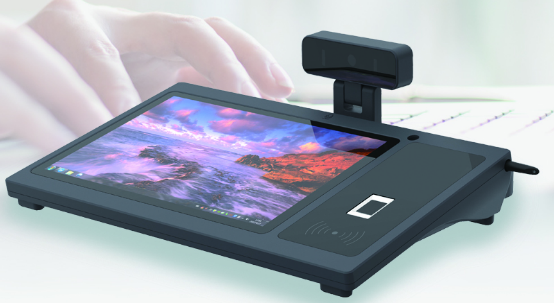
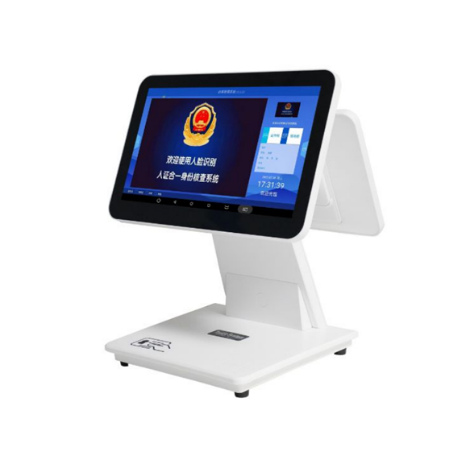
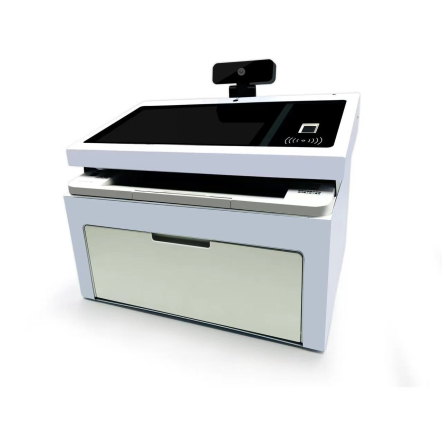
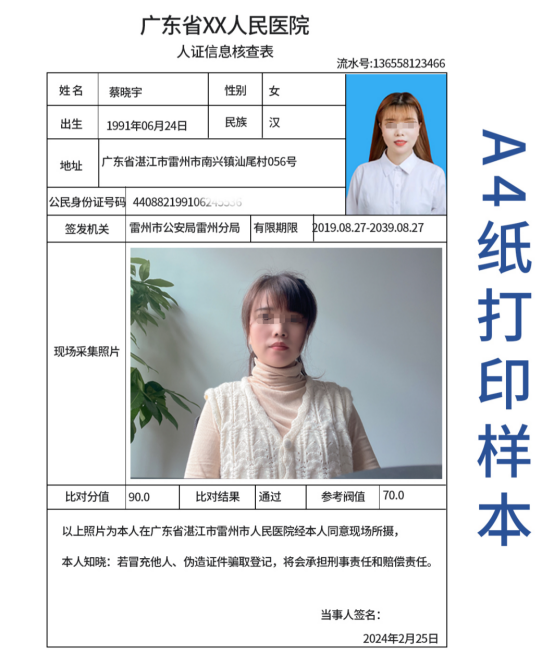
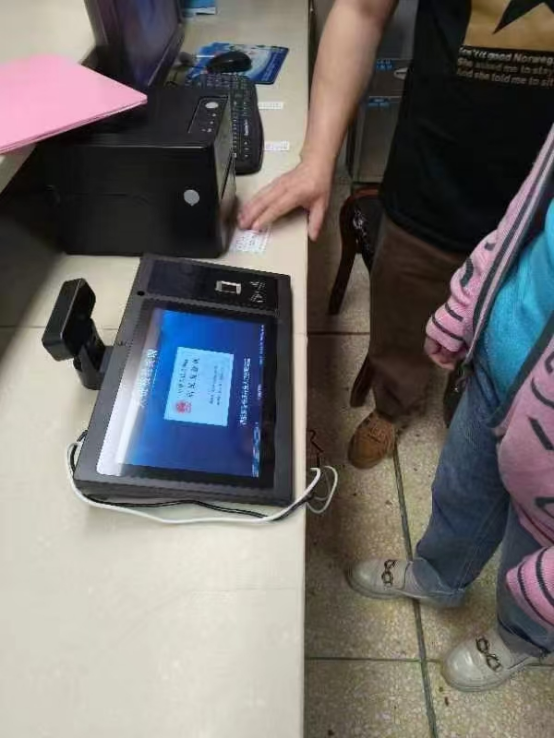
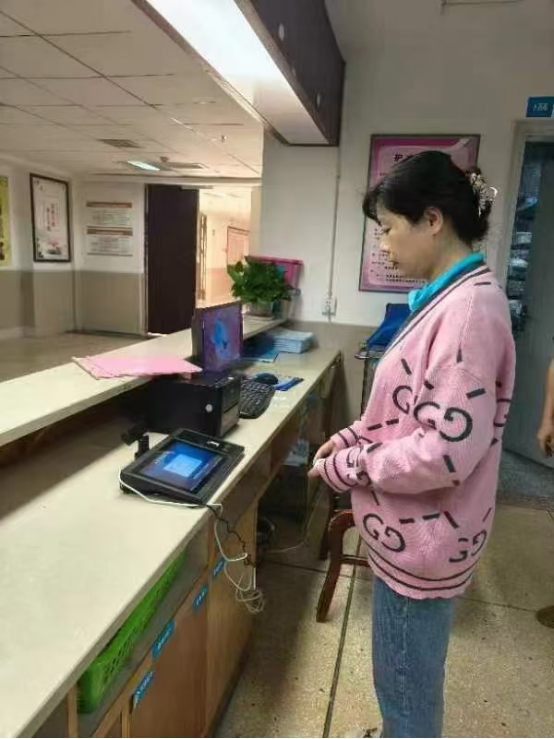
Thus, the identity verification terminal for birth certificates was born. Leveraging our years of technical expertise and extensive application experience in the information exchange terminal industry, our company, Shenzhen Qixing Linghang Technology Co., Ltd., quickly developed a software system and terminal installation program APK specifically for birth certificates. This system collects, processes, and compares identity information (inherent physiological features such as facial shape and facial features) to authenticate individuals and verify whether the person and the certificate match. This system provides scientific comparison results and evidence, eliminates manual intervention in business processes, and reduces business risks. Verified maternal and child information is then printed out for use in applying for birth certificates. Our company has developed three terminal models tailored to the needs of different hospitals: single-screen, dual-screen, and integrated printer.
终端用户照片
ID verification terminals are also widely used in other industries, including hotels, airports, train stations, public security, procuratorial, and judicial departments, all of which have a huge market. Once an ID card is lost or not cancelled, or if it's invalidated or not yet cancelled in the public security information system, the lack of information circulation allows criminals to use genuine ID cards for illegal activities, such as obtaining personal information, stealing bank deposits, or stealing social security funds. This is a clear mismatch between identity and identity. However, in high-volume businesses, visual fatigue can also make these schemes successful. Therefore, the Ministry of Public Security has mandated that ID card verification in multiple sectors not only verify the authenticity of the ID card but also conduct a face-to-face comparison, including checking against the population information system in case of doubt. The introduction of face-to-face comparison technology is particularly important in businesses with large volumes and involving large sums of money.