



How to efficiently deploy medical insurance facial scanning terminals: 5 key steps and practical guide


How to efficiently deploy medical insurance facial scanning terminals: 5 key steps and practical guide
With the rapid development of digital medicine, medical insurance face-scanning terminals have become an important technical means for medical institutions to optimize the identity authentication process.Many medical units face multiple challenges such as technical compatibility, data security and user experience during the deployment process.Are you also looking for effective strategies to ensure the efficient implementation and smooth operation of medical insurance facial recognition terminals?This article combines the latest industry trends and actual user needs to deeply explore the five key steps for efficiently deploying medical insurance facial scanning terminals in medical environments to help you improve service efficiency, ensure medical insurance data security, and maximize user trust and terminal value.
What is a medical insurance face scanning terminal and its core advantages
The medical insurance face scanning terminal is an intelligent device based on face recognition technology, specially used for medical insurance identity authentication and related business operations.By identifying the identity of patients in real time, the terminal can greatly increase the speed of identity verification, reduce the waiting time for traditional medical insurance card swiping, and improve the efficiency of hospital outpatient services.Data shows that after using the medical insurance facial recognition terminal, the efficiency of patient identity verification has increased by about 40%, significantly shortening queuing time and improving user satisfaction.
The medical insurance face scanning terminal combines with the cloud database to realize real-time verification and update of medical insurance data, effectively reducing the risk of identity fraud and information leakage.For medical institutions, it not only saves a lot of labor costs, but also optimizes the medical insurance service process with the help of big data analysis.Combined with long-tail keywords such as "medical insurance face-scanning terminal deployment plan" and "medical insurance identity authentication security", it will help the person in charge of medical informatization to have an in-depth understanding of the technical background and advantages.
Step 1: Requirements analysis and environment assessment—create a customized deployment plan
In the early stages of deployment of medical insurance facial recognition terminals, it is crucial to clarify the specific needs of hospitals or medical institutions.Factors such as patient flow, existing network environment, medical insurance data interface compatibility, and security protection level need to be evaluated.The peak flow of patients in some Grade III-A hospitals exceeds 100,000 per day, which requires extremely high terminal response speed and stability.
The environmental assessment also includes site layout, whether the terminal placement is conducive to facial recognition collection, and whether the lighting conditions are uniform.Combined with keywords such as "medical insurance face scanning terminal deployment planning" and "medical face recognition equipment environmental requirements", we can deeply customize the deployment plan that meets the needs of the institution and improve the efficiency and accuracy of equipment utilization.
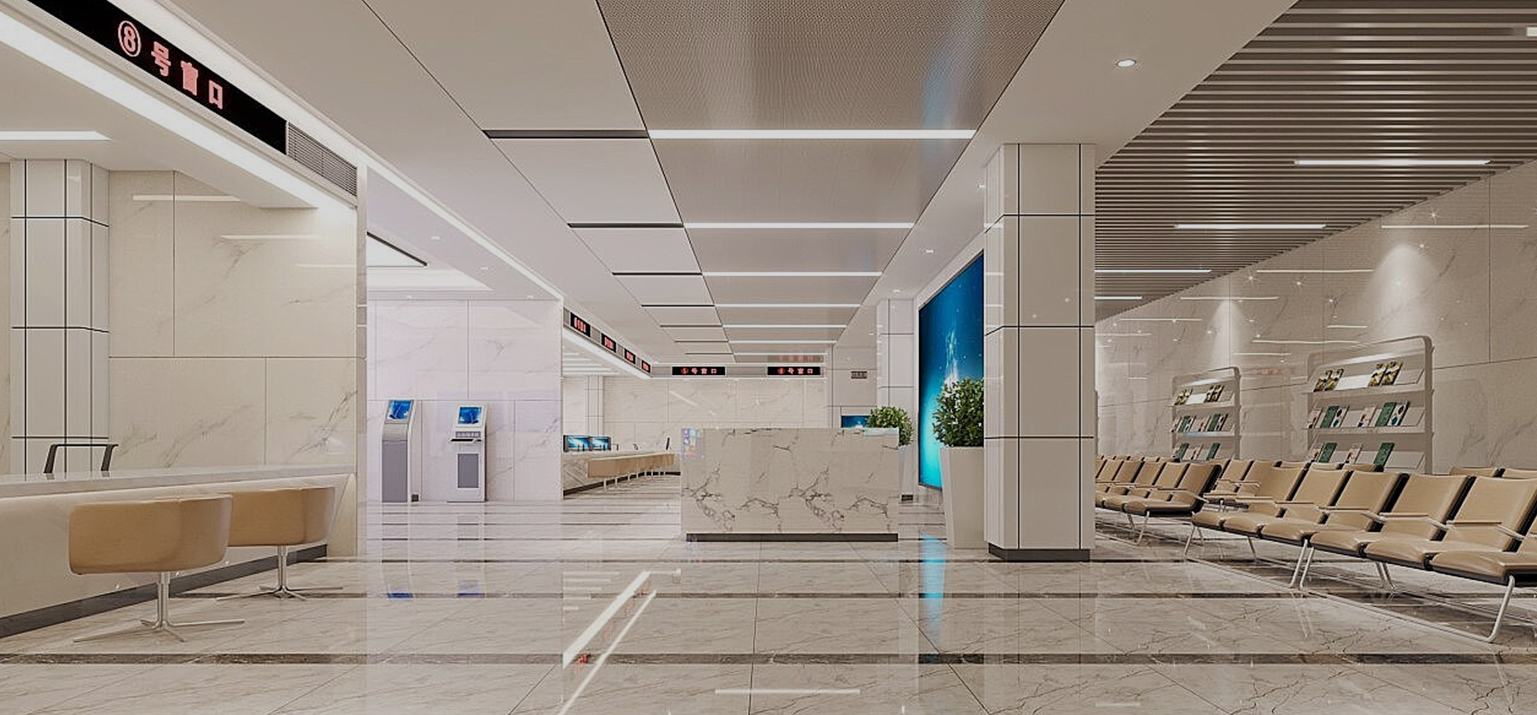
Step 2: Core equipment selection and technical compatibility guarantee
Efficient deployment of medical insurance facial recognition terminals is inseparable from hardware equipment with excellent performance and strong compatibility.Key technical indicators include high-precision cameras, multi-spectral living body detection, anti-tamper alarms and other functions.Taking a tertiary hospital as an example, it uses terminal equipment with a recognition accuracy of 99.7% to avoid delays in medical insurance verification due to recognition errors.
At the same time, the terminal needs to support seamless connection with the medical insurance management system and electronic health record system to ensure real-time synchronization and stable flow of data and avoid information islands.Paying attention to "medical insurance face recognition terminal equipment selection" and "face recognition medical insurance system compatibility" can guide the procurement team to select cost-effective and technologically forward-looking equipment to ensure long-term stable operation of the system.
Step 3: Construction of security policy and privacy protection mechanism
Medical insurance facial recognition terminals handle a large amount of sensitive personal information, and data security and privacy protection are top priorities during the deployment process.According to statistics, data breaches occur frequently in the medical industry, and about 42% of information security incidents involve identity authentication data.
It is recommended to strengthen encrypted transmission at the system architecture level, adopt local liveness detection and regular security audits, and strictly comply with regulations such as the Personal Information Protection Act.Establish a multi-factor identity authentication mechanism to avoid risks caused by the failure of a single technical point.Integrating practices such as "medical insurance face scanning terminal data security" and "medical face recognition privacy compliance" will play a significant role in improving terminal security trust.
Step 4: User training and process optimization—promote the use of terminal applications
After the technology is deployed, the acceptance and operating proficiency of the medical insurance facial recognition terminal by medical staff and patients will directly affect the use effect.By carrying out professional training, setting up detailed operating instructions, and combining on-site simulated usage scenarios, work efficiency and user experience can be significantly improved.

For example, a hospital trained medical staff in batches and provided concise face-swiping instructions on the patient side, increasing terminal user satisfaction to over 95%.Combined with "medical insurance face-scanning terminal usage training", "medical insurance identity authentication process optimization" and other contents, promote the seamless integration of technology popularization and process, and achieve a comprehensive upgrade of service quality.
Step 5: Continuous monitoring and operation and maintenance upgrades ensure long-term terminal efficiency
Deployment of medical insurance facial recognition terminals is not a once and for all process. Regular equipment inspections and system upgrades are the guarantee for its long-term stable operation.Through the remote monitoring system, abnormalities such as recognition failures and equipment failures can be discovered in a timely manner, effectively reducing service interruptions.
It supports automatic update algorithms and optimizes data interfaces to adapt to changes in medical insurance policies and technological developments, ensuring that the terminal always remains at the leading level in the industry.Related keywords such as "medical insurance face-scanning terminal operation and maintenance management" and "remote monitoring of medical equipment" help the technical team establish a complete maintenance system.
Practical advice and key takeaways
- Fully understand the needs and environment of the organization to avoid blind procurement and deployment.
- Give priority to terminal equipment that has been certified by the state and is compatible with the medical insurance system.
- Strictly implement data encryption and privacy protection in compliance with relevant laws and regulations.
- Focus on multi-layer training and user guidance to improve terminal usage.
- Establish a complete operation and maintenance system, conduct regular maintenance and system upgrades.

in conclusion
The efficient deployment of medical insurance facial recognition terminals is an important step in the upgrading of medical informatization.Through the five key steps of scientific demand assessment, equipment selection, safety protection, training and promotion, and continuous operation and maintenance, medical institutions can realize intelligent identity authentication and improve service efficiency and safety.As a professional medical information solution provider, we are committed to helping you successfully complete the deployment and maintenance of medical insurance facial recognition terminals, enhance patient experience, and achieve digital transformation of medical services.Want to know more about customized solutions for medical insurance face scanning terminals?Welcome to contact us and start a new era of smart medical insurance together!