



In-depth understanding of the core advantages and market positioning of medical insurance card reader manufacturers


In-depth understanding of the core advantages and market positioning of medical insurance card reader manufacturers
With the continuous development of digital medical care, the role of medical insurance card readers in the medical industry has become increasingly important.Perhaps you have been waiting in line at the hospital, thinking silently: "When will my medical insurance card be successfully recognized?" Such a scene makes many users feel uneasy, especially during the peak period of medical treatment.Therefore, it is particularly important to choose a medical insurance card reader with stable performance, accuracy and efficiency.Today, we will delve into the core strengths and market positioning of medical insurance card reader manufacturers to help you understand how to make a wise choice in this rapidly growing field.
Definition and functions of medical insurance card reader
The medical insurance card reader is a device specially used to read and verify medical insurance card information. Its main functions include data transmission, identity verification, etc.According to market research data, the usage rate of China's medical insurance cards will reach 85% in 2022. This figure shows the importance of medical insurance cards in residents' daily medical care.In addition to reading medical insurance card information, they can also interface with the patient information management system to update and synchronize data in real time, improving work efficiency.For example, modern hospitals commonly use medical insurance card readers, which not only help medical staff quickly obtain patient information, but also provide convenient services to patients, greatly improving the medical experience.
Analysis of core advantages of manufacturers
When choosing a medical insurance card reader, the core advantages of the manufacturer are a factor that cannot be ignored.Technological innovation is the source of power for manufacturers.Taking a well-known manufacturer as an example, its R&D team invested a lot of resources and launched a card reader with high compatibility and stability, which supports many medical insurance card formats and has a failure rate of less than 1%.The manufacturer's after-sales service is also key.In a medical environment, the stability of hardware is extremely important. The 7x24-hour service provided by the manufacturer ensures that medical units can quickly receive support when encountering problems and minimize operational losses.Many manufacturers are studying the combination of big data and cloud computing to further enhance the intelligence level of equipment to better meet market demand.

Market positioning and target users
The market positioning of medical insurance card readers is relatively clear, and it mainly serves a variety of places such as medical institutions, pharmacies, and social security institutions.According to 2023 market analysis, due to the growing aging population, the demand for medical insurance card readers in medical institutions has steadily increased, and the market size is expected to grow at an average annual rate of 10% in the next five years.With the popularity of electronic health records, many hospitals and clinics have also begun to explore the integration of medical insurance card readers with other medical equipment to achieve more efficient information flow.This means that manufacturers with suitable market positioning will not only provide equipment, but also provide service providers with a complete set of solutions.
Application scenarios of medical insurance card readers
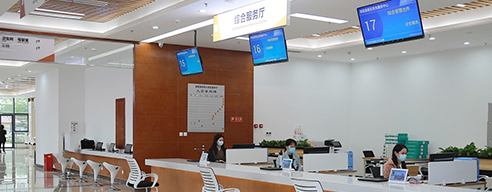
The application scenarios of medical insurance card readers are rich and diverse.In public hospitals, doctors can use this device to quickly confirm a patient's medical insurance eligibility and avoid medical barriers caused by inconsistent information.In pharmacies, an efficient medical insurance card reader can significantly shorten drug settlement time and optimize customers' shopping experience.Many small clinics are gradually introducing such equipment to improve patient satisfaction by simplifying the medical insurance settlement process.According to statistics, feedback from hospital customers who use medical insurance card readers shows that settlement efficiency has increased by more than 30%, and the convenient experience makes patients willing to repeat visits.
Practical advice and key takeaways
- Choose a manufacturer with good after-sales service to ensure that equipment failures can be resolved quickly.
- Pay attention to the compatibility of the device to ensure that it can support multiple medical insurance card formats.
- Consider the technological innovation capabilities of the equipment and give priority to brands with R&D capabilities.
- Understand the manufacturer's customer feedback and cases, and evaluate its performance in actual applications.
- Pay attention to market trends and choose technologically innovative manufacturers that can keep up with industry developments.

in conclusion
By understanding the definition, functions, core advantages and market positioning of the medical insurance card reader, we can see the importance of this device in improving medical service efficiency and patient experience.If you want to learn more about the medical insurance card reader or your needs, please visit our official website and contact our professional team. We look forward to providing you with more resources and support to make your medical services more convenient and efficient!