



How to Create an Efficient Shenzhen Window Counter Terminal: A Guide to 5 Key Steps


How to Create an Efficient Shenzhen Window Counter Terminal: A Guide to 5 Key Steps
In the modern business environment, customers increasingly expect service speed and efficiency.As a window counter terminal in Shenzhen, have you ever faced problems such as long customer waiting times and cumbersome service processes?Against this background, how to provide efficient counter services to attract and retain customers has become a problem that every enterprise needs to solve.This article will provide you with five key steps to help you create an efficient Shenzhen window counter terminal and improve service quality and user satisfaction.
Step 1: Determine user needs and service process
Understanding user needs is the basis for building efficient counter terminals.You can obtain feedback on your counter service through surveys, questionnaires or direct communication with customers.After obtaining the information, focus on sorting out the high-frequency needs and common problems of customers when handling business, and analyze the current service process to find out the pain points.According to industry data, 68% of customers said that the most annoying thing about the business processing process is that it takes too long.Therefore, optimizing service processes is crucial.The new process should simplify steps and reduce unnecessary links, thereby improving counter service efficiency and customer satisfaction.
Step 2: Properly allocate manpower and resources
Efficient counter terminals not only require reasonable processes, but also flexible human resource allocation.By analyzing business peak and trough periods, human resources can be reasonably allocated to ensure that there are sufficient service personnel when the number of customers is large.For example, if the monthly statistics of a major bank in Shenzhen show that business peaks in the afternoon on working days, it is recommended to increase the number of tellers on duty at this time, and reduce the number of tellers appropriately during other time periods.Professional training of employees is also necessary to ensure that they can respond quickly and accurately to customer needs and questions.At the same time, counter efficiency can be further improved through digital tools to assist in queuing and business processing.

Step Three: Introduce intelligent technology
In the context of the rapid development of the digital economy, the introduction of intelligent technology has brought new opportunities to window counter terminals.For example, self-service terminals can effectively alleviate queuing pressure, allow customers to handle simple business on their own, and improve overall service efficiency.Surveys show that self-service can reduce customers’ waiting time at the counter by up to 30%.At the same time, using customer relationship management (CRM) systems and data analysis tools, you can gain an in-depth understanding of customer behavior, thereby providing personalized services and improving customer experience.
Step 4: Create a good user experience environment
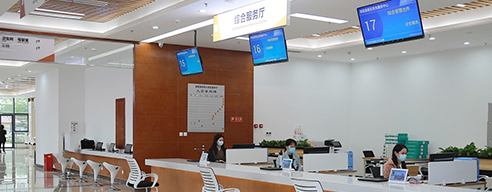
The environment of the counter terminal has a direct impact on the customer experience.Creating a friendly and comfortable handling environment can improve customer satisfaction.Specifically, we can start from several aspects: improve the rationality of the counter layout to ensure that customers can easily find the service window; use modern decoration and comfortable seats to make customers feel comfortable while waiting; appropriate music and fresh air can also enhance customers' mood and make them willing to stay longer.Therefore, paying attention to the environment is an effective strategy to improve the counter service experience.
Step 5: Continuous feedback and optimization
Creating efficient counter terminals is not a static process, but a cycle of continuous optimization.Collecting customer feedback and employee input on a regular basis is critical to help managers stay abreast of problem areas.Based on the collected data, regular optimization meetings are held to make adjustments to problems and conduct follow-up matching with customers.At the same time, in the context of business diversification, service items will be adjusted and updated to attract more customers.Only through continuous learning and improvement can counter terminals remain dynamic and attractive.
Summary suggestions:
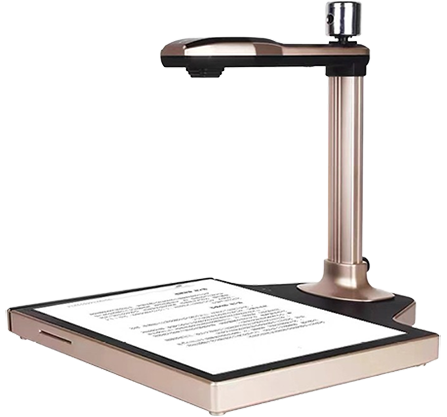
- Conduct user demand research and optimize service processes.
- Reasonably allocate manpower and resources to ensure there are enough tellers during peak periods.
- Introduce intelligent technology to improve work efficiency.
- Create a good user experience environment and improve customer satisfaction.
- Collect feedback regularly to continuously optimize service quality.
in conclusion
Through the above five steps, you can effectively create an efficient Shenzhen window counter terminal, which not only improves customer experience, but also enhances the competitiveness of the brand.As an industry participant, companies that actively respond to this trend can stand out from the competition.If you would like to know more about how to implement these suggestions, please contact us and we will provide you with professional guidance and support.