



Learn more about the core advantages and application scenarios of dual-screen terminals


Learn more about the core advantages and application scenarios of dual-screen terminals
With the advent of digital transformation and the era of smart office, dual-screen terminals have become an important technology to improve work efficiency and user experience.Whether in the field of financial transactions, medical data analysis, or retail display, users are faced with changing needs for multitasking and information display. Traditional single-screen devices are difficult to meet the scenarios of rapid switching and simultaneous display.This article will provide an in-depth analysis of the core advantages and practical applications of dual-screen terminals to help enterprises and users understand how to optimize operating processes and achieve efficient information management through dual-screen technology.Want to know more about the value of dual-screen terminals in smart office and industry applications?The following content will be explained in detail for you.
What is a dual-screen terminal?Definition and technical basis
Dual-screen terminals, as the name suggests, refer to smart devices equipped with two displays that can display different or related information content at the same time.Compared with traditional single-screen terminals, dual-screen devices use the collaborative technology of multiple displays to achieve expansion of the operation interface and multi-dimensional display of data.According to the latest IDC report, the application of dual-screen devices will grow by more than 18% in 2023, mainly due to enterprises' increasing demand for multi-tasking and remote office.From a technical perspective, dual-screen terminals usually use multi-core processors and intelligent scheduling systems to ensure seamless interaction and mirrored display of the two screens, maximizing the viewing space without affecting operating speed.
For example, on a trading terminal in the financial field, traders can monitor market conditions in real time on one screen and execute operating commands on another screen, greatly improving trading efficiency and accuracy.This definition and technical foundation lay a solid foundation for understanding the advantages of dual-screen terminals.
The core advantages of dual-screen terminals: improving efficiency and user experience
The biggest advantage of dual-screen terminals is to significantly improve work efficiency and improve user experience.The dual-screen design enables users to multi-task at the same time. According to Forrester research, users using dual-screen devices can increase their work efficiency by up to 30%.For example, designers use one screen to draw and another screen to view design standards or reference drawings, which greatly reduces the time of frequently switching windows.
Dual-screen terminals effectively alleviate the problems of information congestion and visual fatigue.Through reasonable screen splitting, users can split and display complex information, making the interface more concise and intuitive, and reducing cognitive load.Dual-screen devices support multiple interaction methods, such as touch, stylus, and voice input, improving operational flexibility and meeting the personalized needs of users in different industries.
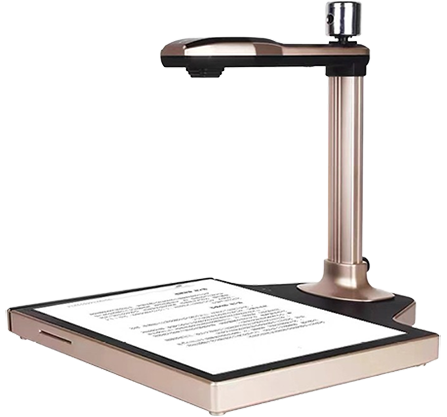
The dual-screen terminal's diverse configurations allow customized applications.Enterprises can design exclusive dual-screen interfaces based on their own business processes, such as retail digital signage usage environments. One screen plays advertising content and the other screen enables customer interaction and payment, greatly enhancing customer experience and conversion efficiency.
Analysis of application scenarios of dual-screen terminals
Dual-screen terminals have shown wide application value in multiple industries and scenarios, especially in the four major fields of smart office, medical care, finance and retail.
Smart office:With the rise of remote working and collaboration tools, employees need to handle emails, documents and video conferences at the same time.The dual-screen terminal allows you to view meeting content on one screen and record and edit documents on the other screen, achieving seamless communication and collaboration.
Medical industry:Doctors can check patient imaging data and electronic medical records at the same time through dual-screen terminals, improving diagnostic accuracy and treatment efficiency, especially in emergency operating room environments.
Financial transactions:As mentioned above, dual screens help traders capture market dynamics and execute trading instructions in a timely manner, reducing delays and improving decision-making speed.
Retail display:Shopping malls and exhibitions use dual-screen terminals to play product information on one screen and set up interactive touch controls on the other screen to enhance consumer experience and promote sales.
According to statistics from market research firm Gartner, enterprises that have optimized dual-screen terminals have improved customer satisfaction by about 25% and reduced employee operation error rates by 15%, reflecting significant business value and user recognition.

Future trends: the development direction of dual-screen terminals
In the future, dual-screen terminals will develop towards smarter, more portable and more personalized devices.With the popularization of 5G and edge computing technology, the data transmission speed and real-time response capabilities of dual-screen terminals will be greatly improved, supporting more complex application scenarios.
The development of foldable and flexible screen technology will bring about thinner and more versatile dual-screen devices, providing users with more usage scenario choices.For example, companies such as Samsung and Microsoft have launched foldable dual-screen mobile phones and tablets, and market feedback has been positive.
The integration of artificial intelligence will enable dual-screen terminals to achieve intelligent screen management and content recommendation, automatically optimize user interface layout and operation steps, and further improve user experience and efficiency.
To sum up, in the future, dual-screen terminals will not only be display tools, but also become core hardware for intelligent interaction and efficient office work.
Practical advice: How to choose and apply dual-screen terminals
- Clarify application requirements: Based on industry characteristics and actual work processes, select dual-screen terminals that support corresponding interfaces and functions to ensure compatibility and practicality.
- Pay attention to performance configuration: Choose a high-performance processor and a stable operating system to ensure smooth operation of dual screens and avoid lagging that affects the experience.
- Pay attention to interactive experience: Prioritize diversified interaction methods that support touch, handwriting, and voice to improve ease of use.
- Consider environmental suitability: According to the light and space size of the office environment, configure a screen of appropriate size and brightness to optimize the visual effect.
- Continuous training application: Provide professional training for employees to deepen the application scenarios and operating skills of dual-screen terminals to maximize return on investment.
in conclusion
Dual-screen terminals, with their unique multi-tasking and information display advantages, are gradually becoming an important tool in promoting the digital transformation of various industries.By understanding its definition, core advantages and diverse application scenarios, enterprises can scientifically select and deploy dual-screen devices to improve office efficiency and user satisfaction.As an industry-leading dual-screen terminal solution provider, we are committed to creating an efficient and intelligent working environment for our customers.Want your business to seize the digital opportunity?Welcome to contact us to start a new office experience brought by dual-screen terminals.