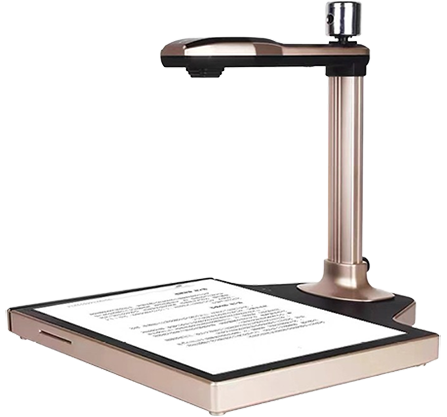
How to choose a suitable social security card reader to improve work efficiency


How to choose a suitable social security card reader to improve work efficiency
With the rapid development of information technology, various digital devices have rapidly entered our work and life, improving work efficiency.In the daily operations of enterprises, the management and use of social security cards are becoming increasingly important. How to choose a suitable social security card reader has become an urgent problem that many enterprises need to solve.Looking for an efficient card reader to simplify reading and managing social security cards?Well, understanding the different types of social security card readers and their features will help you make the best choice.This article will delve into how to choose the right social security card reader to improve the efficiency of your business.
1. Definition and types of social security card readers
A social security card reader is a device designed specifically for reading social security card information, which can help companies quickly and accurately obtain employees' social security information.Generally, these card readers are divided into two major categories: USB interface card readers and wireless card readers.The USB card reader has plug-and-play characteristics and is suitable for use in fixed office environments.Wireless card readers have greater flexibility and can be used in a variety of scenarios, such as on-site service, business promotion, etc.
According to market survey data, 78% of corporate users tend to choose card readers with USB interfaces because of their excellent stability and reading speed.However, wireless card readers have gradually received attention in recent years, especially after the epidemic, the rise of remote working and flexible office models has led to a surge in demand for such equipment.Understanding the characteristics of different card readers will not only help improve work efficiency, but also meet the needs of different business scenarios.
2. Key factors in choosing a social security card reader
When choosing a social security card reader, there are several key factors to consider:
- compatibility:Make sure the card reader can support the company's existing systems, including operating systems and software versions.
- Reading speed:Reading speed directly affects work efficiency. It is recommended to choose a device that can read more than 100 pieces of information per second.
- Durability:In an environment with frequent use, the durability of the equipment will be particularly important, and choosing a well-known brand is usually more secure.
- After-sales service:Good after-sales service can help companies cope with the impact of equipment failure, so it is very necessary to choose a brand with professional support.
According to a survey of enterprise users, more than 70% of the respondents said that the most important thing when purchasing is device compatibility and reading speed.Therefore, taking these factors into consideration can help businesses choose the right card reader more accurately.
3. Application scenarios and user experience
In practical applications, social security card readers are not limited to reading social security information, but have important applications in various scenarios such as attendance management, employee onboarding, and resignation procedures.For example, in large enterprises, card readers can effectively reduce manual operations, improve the accuracy of attendance data entry, and reduce the trouble caused by manual input errors.
Actual users reported that after using the efficient social security card reader, the time for attendance management was shortened by more than 50%, which greatly improved work efficiency.It is worth noting that for enterprises, enhancing user experience cannot be ignored. An easy-to-operate device can allow employees to adapt more quickly and improve overall work efficiency.
4. Procurement and implementation steps
Choosing a suitable social security card reader is not an overnight process. Enterprises can follow the following steps:

- Requirements analysis: clarify what information needs to be read and the usage scenarios.
- Market research: Understand the performance of various card readers on the market through the Internet, industry exhibitions, etc.
- Budget evaluation: Evaluate the acceptable range of investments based on the company's financial situation.
- Trial experience: Trial the device before making a final decision to ensure it meets actual needs.
- Implementation and training: After selecting the product, install and deploy it, and train users to ensure that everyone can get started quickly.
Through the above steps, not only can the efficiency of procurement be improved, but also smooth feedback can be ensured after the equipment is put into use.
Summary and suggestions
- Clarify needs: Carefully analyze the company's internal needs before purchasing and clarify the required functions.
- Compare products: Compare several card readers from different brands, paying attention to performance and cost-effectiveness.
- Ask a professional: When in doubt, seek advice from a professional supplier.
- Conduct a trial: Choose a merchant with a trial policy to easily evaluate whether the equipment is suitable.
- Pay attention to after-sales service: Choose a brand with good after-sales service guarantee for subsequent maintenance.
in conclusion
Choosing the right social security card reader can not only improve work efficiency, but also lay the foundation for the digital transformation of the enterprise.By understanding the types of social security card readers, key selection factors, practical application scenarios, and procurement steps, your business can make a more informed choice.If you want to get more information about social security card readers or consult professional solutions, please visit our official website, or contact us directly for free consultation!