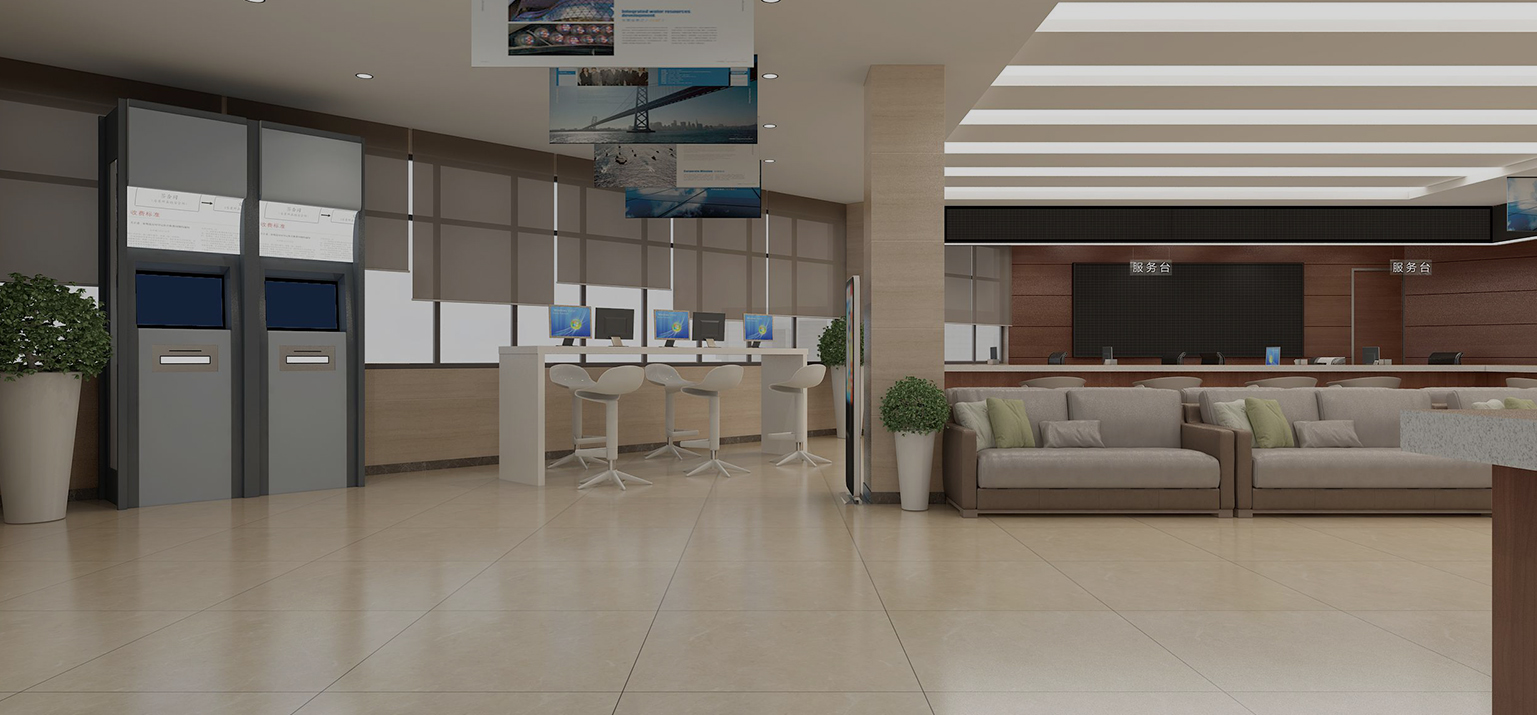
Analysis of 7 industry best practices in window counter terminal design


Analysis of 7 industry best practices in window counter terminal design
As the retail and service industries continue to digitally transform,Window counter terminal designBecome the key to improving customer experience and operational efficiency.According to the latest industry data, more than 65% of consumers pay attention to the convenience and interactive experience of counter terminals when choosing services, which drives companies to continuously optimize design solutions.This article will provide an in-depth analysis of the 7 industry best practices in window counter terminal design to help companies stand out in the fierce market competition.Whether in the banking, medical or restaurant industries, understanding and applying these design strategies will significantly improve your brand image and customer satisfaction.Want to know more about optimization solutions for window counter terminal design?Please continue reading to gain insight into industry trends and master practical skills to help upgrade your business.
1. Clarify the core goals and definitions of window counter terminal design
Window counter terminal design is not just a simple equipment layout, but also a key component of the overall service process.Its core goal is to create a smooth and efficient service experience for customers by optimizing the user interaction interface and improving ease of use and practicality.According to research, a properly designed terminal interface can increase customer satisfaction by more than 20%.
Window counter terminals usually include self-service machines, cashier equipment, information interactive screens, etc. Their design must combine the characteristics of the industry and the needs of the service population.For example, in the banking industry, security and privacy protection are the focus of design; while in the medical industry, a simple and intuitive operation interface is the primary consideration.Through scientific demand analysis and functional division, the design team can ensure that the terminal not only meets basic service functions, but also is both beautiful and convenient, effectively promoting the process of business digitalization.
2. Emphasize the importance of ergonomics and user experience in design
Ergonomic design is the key to improving the convenience of using window counter terminals.Research shows that an ergonomic terminal layout can reduce user operation errors by 30%, reduce employee fatigue, and improve work efficiency.When designing, pay attention to device height, button layout, and information placement to ensure easy access for all user groups.
The interface design should be clear and concise, avoiding too many complicated operation steps, to meet the needs of users of different ages and technical proficiency.The following are common ergonomic practices in window cabinet design:
- Reasonably adjust the screen angle and height to accommodate users of different heights
- Use tactile feedback and visual cues to enhance operational confirmation
- Optimize button size and spacing to facilitate quick clicks
These detailed optimizations not only improve customer experience, but also reduce operational disputes and improve overall service quality.
3. Integrate intelligent technology to enhance the application value of window counter terminals
With the development of artificial intelligence and Internet of Things technology, intelligent window counter terminals have become a new trend in the industry.According to IDC forecasts, the global smart retail terminal market size is expected to reach US$18 billion in 2025.Smart terminals integrate facial recognition, voice interaction and big data analysis to realize functions such as face payment, intelligent question and answer and personalized services.
For example, an intelligent identity verification system is introduced at bank window counters, which greatly improves the efficiency of account opening and business processing; an intelligent guidance system is installed at medical counters to help patients quickly find the departments they need.The application of intelligent technology not only improves customer experience, but also helps enterprises achieve digital transformation and optimize resource allocation.
4. Ensure compliance with industry standards for security and privacy protection design
Window counter terminals involve a large amount of user sensitive information, and security design is crucial.According to the 2023 Information Security Report, more than 70% of data breaches are related to terminal device security vulnerabilities.The design should strictly comply with national and industry security standards, and adopt encrypted transmission, multi-factor authentication and tamper-proof hardware design.
Specific measures include:
- Encrypted data storage and transmission ensure information confidentiality
- Terminal authentication combined with biometrics
- Install anti-peeping screens and physical guards

These security measures not only protect the rights and interests of users, but also enhance corporate reputation and avoid legal risks.
5. Modular design concept helps terminals to be flexibly upgraded and maintained
Adopting a modular design concept is an effective way to improve the sustainable development of window counter terminals.According to research, the maintenance cost of modular equipment is about 25% lower than that of traditional equipment.The modular design standardizes the splitting of hardware and software parts to achieve rapid replacement and upgrade of functions.
For example, the screen, payment module and printing components can be replaced independently without replacing the entire device; the software adopts a layered architecture and supports remote updates and personalized configuration.The modular design not only extends the service life of the equipment, but also quickly responds to market changes and improves return on investment.
6. Refine spatial layout and environmental integration to improve overall customer experience
The physical layout and environmental atmosphere of terminal equipment directly affect customers’ waiting experience and psychological feelings.Optimizing space layout can effectively reduce perceived queuing time and improve satisfaction.According to statistics, reasonable layout can improve the overall customer experience index by 15%.
Good design should consider pedestrian flow lines, natural lighting and visual consistency of equipment.For example, at bank window counters, number-taking areas, waiting areas and service areas are set up through reasonable zoning to avoid congestion; medical counters focus on a quiet and comfortable environment and use warm-colored lighting to relieve patients' nervousness.The integrated environment design makes the terminal and the venue seamlessly connected, creating a positive psychological effect and promoting customer return visits.
7. Continuous data-driven design optimization to achieve intelligent operations
By collecting and analyzing terminal usage data at window counters, enterprises can achieve continuous optimization and intelligent operations.Data shows that after using data analysis to adjust service processes, customer satisfaction increased by 12%.
Key data include customer visit frequency, stay time, commonly used functions and abnormal operations, etc.Combining big data and cloud computing technology, the operation team can monitor terminal status in real time and adjust resource allocation and interface design in a timely manner.Collect first-hand demand feedback through the user feedback mechanism, promote design iterative upgrades, and create innovative user-centered terminal products.
Data-driven design optimization not only improves operational management efficiency, but also enhances corporate market competitiveness.
Best Practice Recommendations for Window Counter Terminal Design
- Conduct in-depth user demand research to ensure that the design fits the target user characteristics and usage scenarios.
- Give priority to ergonomic design to improve operational convenience and comfort.
- Actively integrate intelligent technology to realize service automation and personalization.
- Strictly implement security and privacy protection measures to enhance customer trust.
- Adopt modular design to reduce maintenance costs and improve equipment flexibility.
- Reasonable space layout creates a comfortable and efficient use environment.
- Use data analysis to drive design optimization and achieve refined intelligent operations.
Want to learn more about professional strategies for window counter terminal design?Welcome to visit our official website or contact us for personalized consultation!
in conclusion
The seven industry best practices for window counter terminal design cover all-round optimization from user experience, smart technology, security to data-driven optimization.Through scientific design and continuous innovation, companies can not only improve service efficiency and customer satisfaction, but also enhance market competitiveness.As an industry-leading solution provider, we have rich project experience and a professional team dedicated to creating optimal terminal solutions for our customers.Visit our official website now, or contact us for free consultation, and work together towards an efficient and intelligent future service experience!